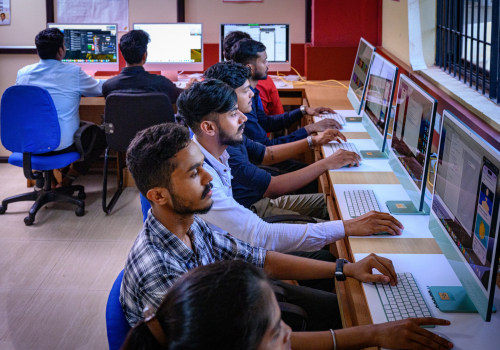
In the fast-paced world of typing competitionstyping competitions, where speed and accuracy are the currency of success, one key element stands out: the power of collaboration. While individual skill is crucial, sharing progress with peers can elevate the entire experience, transforming solitary practice into a dynamic community effort.
Collaborating for success
is not just a catchphrase; it’s a strategic approach that can enhance performance and foster a sense of belonging among participants. Imagine a vibrant community of typing enthusiasts, each pushing the boundaries of their abilities while supporting one another. Sharing progress during competitions is not merely about comparing scores; it’s about exchanging tips, celebrating milestones, and motivating each other to strive for greater heights.This synergy not only enriches individual performance but also cultivates a spirit of camaraderie that can make even the most intense competitions enjoyable. In this article, we delve into the significance of sharing progress with peers during typing competitions. We’ll explore how collaborative efforts can lead to improved skills, greater enjoyment, and a stronger sense of community. Whether you are a seasoned competitor or just starting your journey in typing challenges, understanding the value of peer engagement can redefine your approach to competition and elevate your overall experience.
Sharing progress
is a fundamental concept in any competitive environment, especially in activities like typing competitions. The significance of sharing one’s results goes beyond mere statistics; it fosters a sense of community and encourages individuals to strive for improvement.When participants openly communicate their typing speeds, accuracy rates, and progress over time, they not only hold themselves accountable but also inspire others to elevate their performance. This communal aspect of competition transforms solitary practice into a collaborative effort that can lead to greater skill development. There are various online platforms where users can share their typing results and experiences. Forums dedicated to typing enthusiasts, social media groups, and even dedicated websites provide opportunities for users to showcase their achievements. For instance, platforms like Reddit have specific subreddits focused on typing challenges where users share their scores, tips, and tricks.
Similarly, Facebook groups allow members to post their results and receive feedback from peers, creating a vibrant community atmosphere. The impact of peer feedback cannot be overstated. Many users have reported significant improvements in their typing skills through the encouragement and constructive criticism they received from fellow participants. For example, someone may post their latest typing test result in a forum and receive tips on posture or finger placement that they hadn’t considered before. This exchange of information not only enhances individual performance but also cultivates a spirit of camaraderie within the community. When it comes to effective sharing, there are certain tips that can enhance the experience for everyone involved. Similarly, Facebook groups allow members to post their results and receive feedback from peers, creating a vibrant community atmosphere. The impact of peer feedback cannot be overstated. Many users have reported significant improvements in their typing skills through the encouragement and constructive criticism they received from fellow participants. For example, someone may post their latest typing test result in a forum and receive tips on posture or finger placement that they hadn’t considered before. This exchange of information not only enhances individual performance but also cultivates a spirit of camaraderie within the community. When it comes to effective sharing, there are certain tips that can enhance the experience for everyone involved.
It’s crucial to be constructive and supportive in your feedback. Instead of merely pointing out mistakes, focus on what the person did well and suggest areas for improvement in a positive manner. This approach not only fosters a safe environment where individuals feel comfortable sharing their progress but also encourages ongoing participation and interaction within the group. However, it’s important to recognize that competition can sometimes lead to anxiety among participants. The pressure to perform well can be overwhelming, particularly for beginners or those who struggle with self-doubt.
Community support plays a vital role in alleviating these feelings; by emphasizing that everyone is on their unique journey toward improvement, individuals can find solace in knowing they are not alone. Sharing stories of personal growth and resilience within the community can help mitigate feelings of inadequacy and promote a more inclusive atmosphere.
Friendly competitions
serve as an excellent motivator for users to push their limits while simultaneously enjoying the collaborative spirit of the community. Events like typing marathons or monthly challenges that incorporate peer progress tracking can spark enthusiasm among participants. For example, many online typing platforms host competitions where users can track their improvements over time and compare them with friends or fellow competitors.These friendly rivalries not only drive individuals to refine their skills but also solidify bonds within the community as they celebrate each other’s successes. In conclusion, sharing progress with peers during competitions is an invaluable aspect of skill development in typing challenges. By utilizing various online platforms for communication, providing constructive feedback, and fostering a supportive environment, participants can enhance their experience while improving their abilities. Although challenges such as competition anxiety may arise, these can be overcome with the encouragement found within a strong community. Ultimately, the collaborative nature of friendly competitions serves as a powerful catalyst for personal growth and collective success.
Building a Community Around Typing Challenges
Creating or joining communities focused on typing challenges is an essential step towards enhancing your skills and enjoying the journey of improvement.These communities can be found in various forms, including online forums, social media groups, and local meetups. By engaging with others who share similar interests, you can foster a sense of belonging and motivation. One of the primary benefits of being part of a community is the opportunity for collaboration. Members can share tips, resources, and strategies that have worked for them, which can lead to faster skill development. For instance, participating in discussion threads or group chats allows individuals to ask questions and receive feedback from peers who may have faced similar challenges. Moreover, the aspect of shared learning cannot be overstated.
When you witness others’ progress in typing competitions, it not only serves as inspiration but also encourages you to push your own limits. The communal nature of these groups helps to create an environment where everyone feels supported, making it easier to overcome obstacles together. Joining typing challenges organized within these communities can also enhance your experience. Friendly competition can motivate you to practice more diligently and improve your performance. Many online platforms host regular typing contests that allow participants to track their progress over time and celebrate milestones collectively. In summary, whether you choose to create your own group or join an existing one, building a community around typing challenges provides numerous advantages.
It cultivates motivation, accountability, and a collaborative spirit that can significantly enhance your skill development journey.
The Role of Feedback in Skill Improvement
Feedback plays a crucial role in enhancing one’s typing skills, particularly in a competitive environment. Constructive feedback from peers not only helps individuals identify their strengths and weaknesses but also fosters a culture of mutual growth. When participants share their progress, they can offer insights that lead to improved typing accuracy and speed.To give effective feedback, it is essential to focus on specific aspects of a peer's performance. For instance, instead of saying, 'You need to type faster,' you might say, 'I noticed you can improve your speed by practicing on specific key combinations that slow you down.' This approach helps the recipient understand precisely what they can work on. On the other hand, receiving feedback can be just as important.It is vital to maintain an open mindset and view critiques as opportunities for growth rather than personal attacks. When peers provide suggestions, try to implement them during practice sessions and monitor any improvements in your typing metrics. Additionally, offering feedback in a positive and encouraging manner can motivate peers to embrace the advice given. Phrases like 'I really like how you approach this challenge, and I think you could enhance it by...' make the feedback feel more like a collaborative effort rather than a judgment. This kind of supportive exchange not only helps individuals improve but strengthens the community as a whole. In summary, leveraging feedback within a community of typing enthusiasts can significantly accelerate skill improvement.
By practicing how to give and receive constructive feedback effectively, participants can foster an environment where everyone thrives and achieves their goals in typing competitions.
Engaging Through Competitions and Challenges
Typing competitions have become a popular way for individuals to enhance their skills while simultaneously engaging with others in the community. These events not only challenge participants but also promote sharing progress among peers, creating an environment where everyone can learn from each other. One of the most recognized platforms for typing competitions is 10FastFingers. This site offers various typing tests that allow users to compete against one another in real-time. Participants can track their speed and accuracy while also comparing their scores with friends and other competitors.The ability to see how others are performing serves as a motivational tool, encouraging individuals to push their limits. Another platform worth mentioning is TypeRacer, which combines the thrill of racing with typing. Users can join public races or create private ones to challenge friends. The unique feature of TypeRacer is its social aspect, where players can chat and cheer each other on during races, fostering a sense of community while competing. Additionally, Keybr focuses on building typing skills through structured lessons and challenges. Users can share their progress on social media or within the platform, allowing for friendly competition and accountability.
This feature helps individuals stay committed to their goals as they share milestones and achievements with peers. Moreover, platforms like Typing.com offer a range of competitions designed for educational purposes. These contests often encourage classrooms to participate collectively, promoting teamwork and collaboration among students. Sharing progress within these settings not only enhances individual skills but also strengthens group dynamics. In summary, various typing competitions available today facilitate sharing progress among peers, whether through real-time racing or structured lessons. Engaging in these challenges not only fosters improvement in typing skills but also builds a supportive community that thrives on motivation and accountability.
Overcoming Barriers to Sharing Progress
Many individuals experience fears or hesitations when it comes to sharing their progress in typing competitions.These concerns can stem from a variety of sources, including the fear of judgment, the anxiety of not measuring up to peers, or simply the discomfort of exposing one's weaknesses. Acknowledging these feelings is the first step towards overcoming them. One common hesitation is the fear of negative feedback. Individuals may worry that sharing their progress will lead to criticism rather than support. To mitigate this concern, it's important to foster a supportive environment where constructive feedback is encouraged.
Establishing clear guidelines for feedback can help participants feel more comfortable and ensure that comments are aimed at fostering improvement rather than discouraging efforts. Another barrier is the perception that one’s progress is not impressive enough to share. This can lead to feelings of inadequacy. To combat this, individuals should be reminded that everyone progresses at their own pace, and every small improvement is worth celebrating. Encouraging a culture of appreciation for all levels of achievement can help alleviate these feelings and motivate individuals to share. Additionally, the fear of comparison can hinder sharing.
Many people may feel that their progress pales in comparison to that of others. To address this, it can be beneficial to emphasize the importance of personal growth over competition. Setting personal goals and sharing those milestones creates a focus on individual achievement, which can be inspiring both for the individual and their peers. Finally, fostering a sense of accountability can also encourage sharing. When individuals know that others are aware of their goals and progress, they may feel more compelled to work harder.
Creating small groups or partnerships where members regularly check in on each other’s progress can establish this accountability while also providing a platform for sharing successes and challenges. By addressing these common fears and implementing strategies to create a positive and inclusive atmosphere, individuals can become more comfortable with sharing their progress. This not only enhances their own experience but also contributes to building a stronger community within typing competitions. In conclusion, we have explored how sharing progress with peers during competitions is a vital component of personal growth in typing skills. By building a community around typing challenges, we can foster an environment where individuals feel motivated and supported. The role of feedback in skill improvement cannot be overstated, as it provides valuable insights and encouragement.
Engaging through competitions not only enhances our abilities but also strengthens our connections with others who share similar goals. Moreover, overcoming barriers to sharing progress allows us to embrace vulnerability and learn from one another. As we move forward, let us remember that improvement is often a collective journey. We encourage you to actively participate in communities and competitions, as this not only benefits your own development but also contributes to a thriving environment for all.