In the digital age, typing has become an essential skill that transcends both personal and professional realms. Whether you are a student, a working professional, or simply someone who enjoys communicating online, the ability to type efficiently can significantly enhance your productivity. However, many individuals overlook one crucial aspect that can make all the difference in achieving high typing speeds: proper finger placement.Mastering the art of finger placement is not merely about aesthetics or following outdated typing tutorials; it is about laying a solid foundation for your typing technique. Incorrect finger positioning can lead to discomfort, fatigue, and even repetitive strain injuries over time.
In contrast, focusing on proper finger placement can unlock a new level of efficiency and accuracy in your typing. This article, titled Mastering Finger Placement for Enhanced Typing Speed, aims to guide you through the intricacies of effective finger placement techniques. We will explore the anatomy of the keyboard, the significance of each key’s location, and how proper finger positioning can streamline your typing process. By the end of this article, you will have valuable insights that not only improve your speed but also enhance your overall typing accuracy.Join us as we delve into the world of typing mastery, where even small adjustments in finger placement can yield significant results. Whether you're looking to boost your skills for academic success or seeking to enhance your professional efficiency, understanding and implementing proper finger placement is a vital step on your journey to becoming a proficient typist. In today's digital age, the ability to type quickly and accurately is paramount for both personal and professional success. , aims to guide you through the intricacies of effective finger placement techniques. We will explore the anatomy of the keyboard, the significance of each key’s location, and how proper finger positioning can streamline your typing process. By the end of this article, you will have valuable insights that not only improve your speed but also enhance your overall typing accuracy. Join us as we delve into the world of typing mastery, where even small adjustments in finger placement can yield significant results. Whether you're looking to boost your skills for academic success or seeking to enhance your professional efficiency, understanding and implementing proper finger placement is a vital step on your journey to becoming a proficient typist. In today's digital age, the ability to type quickly and accurately is paramount for both personal and professional success.
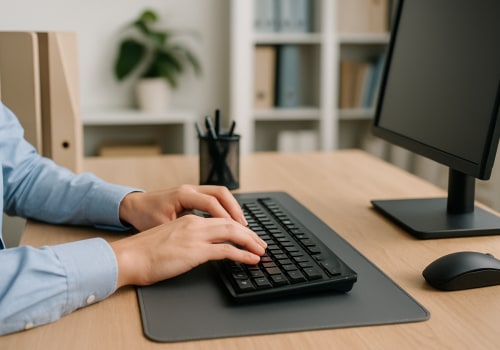
Focus on proper finger placement is essential to mastering this skill. When we think about typing, we often overlook the foundational aspect of how our fingers interact with the keyboard. Proper finger placement not only enhances typing speed but also significantly reduces the likelihood of errors, making it a crucial element for anyone looking to improve their typing skills. The anatomy of proper finger placement on a keyboard revolves around the home row keys, which are the keys located in the middle row of letters on a QWERTY keyboard: A, S, D, F, G, H, J, K, L. The fingers are positioned such that the left hand rests on A, S, D, and F while the right hand rests on J, K, L, and semicolon.
The thumbs typically hover over the space bar. Each finger has its designated area of responsibility for reaching other keys. For instance, the index fingers are responsible for keys like R and T for the left hand and Y and U for the right hand, while the middle fingers handle D and K respectively. Understanding this anatomy is crucial as it establishes a guideline for efficient and effective typing. When fingers are incorrectly positioned on the keyboard, it can lead to slower typing speeds and an increase in errors.
For example, many typists tend to use only their index fingers or develop a 'hunt-and-peck' style, which means they look for each key individually. This not only slows down their typing speed but also increases fatigue due to unnecessary movement. Common mistakes include reaching too far with one finger or using the wrong finger for a specific key, which can disrupt flow and create a disjointed typing experience. The impact of these mistakes on overall typing performance cannot be overstated. A typist who is constantly correcting errors or struggling to find keys will naturally type more slowly than someone who has mastered proper finger placement.
This leads to frustration and could ultimately deter individuals from improving their skills. Recognizing these patterns is the first step towards making meaningful changes. To aid in this improvement journey, there are numerous online typing speed tests available that not only measure speed but also assess accuracy. Websites like Typing.com and 10FastFingers provide comprehensive assessments that highlight areas where users may need additional practice. These platforms offer insights into typing habits and can pinpoint specific keys or finger movements that need attention.
By regularly taking these tests, users can track their progress over time and set benchmarks for improvement. In addition to these assessments, practice exercises focusing specifically on By regularly taking these tests, users can track their progress over time and set benchmarks for improvement. In addition to these assessments, practice exercises focusing specifically on finger placement are invaluable. Simple typing drills that emphasize repetitive motion can help reinforce muscle memory. For instance, typing out sequences of letters repeatedly can aid in instilling proper placements in a typist's routine. Exercises like these ensure that each finger learns its designated area of the keyboard without deviation. Moreover, incorporating engaging typing games can make practicing proper finger placement fun and interactive.
Games such as TypingClub or TypeRacer allow users to compete against themselves or others while reinforcing correct finger movements in a playful environment. These games often introduce levels of difficulty that gradually challenge users as they improve, keeping motivation high. A comparison of popular typing test platforms reveals unique features that cater to different user needs. Some platforms emphasize gamification elements while others focus more on traditional testing methods with detailed analytics. For example, Nitrotype combines racing with typing tests to create an engaging experience while providing instant feedback on speed and accuracy. Games such as TypingClub or TypeRacer allow users to compete against themselves or others while reinforcing correct finger movements in a playful environment. These games often introduce levels of difficulty that gradually challenge users as they improve, keeping motivation high. A comparison of popular typing test platforms reveals unique features that cater to different user needs. Some platforms emphasize gamification elements while others focus more on traditional testing methods with detailed analytics. For example, Nitrotype combines racing with typing tests to create an engaging experience while providing instant feedback on speed and accuracy.
In contrast, Keybr focuses on algorithmically generated lessons tailored to individual weaknesses, allowing for targeted practice. While many factors contribute to typing speed—including familiarity with language and overall keyboard layout—the significance of proper finger placement cannot be dismissed. Some may argue that natural talent or other techniques such as voice-to-text could mitigate the need for strict adherence to finger positioning; however, neglecting this foundational aspect often results in long-term inefficiencies. Mastery of finger placement lays the groundwork for achieving optimal typing performance. In conclusion, by concentrating on proper finger placement, individuals can unlock their full potential in typing speed and accuracy. Through understanding anatomical placement on the keyboard, recognizing common mistakes, utilizing online resources for assessment, engaging in purposeful practice exercises and games, and comparing effective platforms for improvement, one can cultivate a strong foundation in typing skills that will serve them well in any digital endeavor.
Common Mistakes in Finger Positioning
Many typists, whether beginners or experienced, often fall into the trap of improper finger placement.Common mistakes can significantly hinder typing speed and accuracy, leading to frustration and inefficiency. One frequent error is using the wrong fingers for certain keys. Many typists instinctively reach for keys without considering the optimal finger to use, which can disrupt rhythm and increase the chances of making mistakes. For example, pressing the 'A' key with the left pinky instead of the left ring finger is a common oversight. Another mistake is not keeping fingers on the home row. The home row keys (A, S, D, F, J, K, L, ;) serve as a base for touch typing.
When typists lift their fingers away from these keys too often, they lose their point of reference and can become disoriented. Additionally, some typists may overreach for distant keys. This tendency can lead to awkward hand positions that are not only inefficient but also increase the risk of strain or injury over time. Instead, it’s essential to maintain a relaxed hand posture and minimize unnecessary movement. Lastly, neglecting to practice proper finger placement consistently can result in reinforcing bad habits. Without regular practice focusing on correct techniques, typists may find it challenging to break these habits and improve their overall performance.
Understanding Finger Placement
Finger placement refers to the specific positioning of fingers on the keyboard to facilitate efficient and accurate typing.It is a foundational skill that impacts both typing speed and accuracy, making it essential for anyone looking to improve their typing abilities. Proper finger placement allows typists to access keys quickly and comfortably, reducing the risk of errors and increasing overall productivity. When fingers are placed correctly on the home row keys (A, S, D, F, J, K, L, ;), typists can navigate the keyboard with ease. This technique not only promotes fluid movement but also helps in developing muscle memory over time. As a result, individuals can type without having to look down at the keyboard, which significantly enhances their typing efficiency. In contrast, improper finger placement can lead to a range of frustrations, such as frequent typos, slower typing speed, and unnecessary finger strain.
Many typists may find themselves developing bad habits that hinder their progress, making it crucial to focus on mastering proper finger placement from the outset. Ultimately, understanding and applying the concept of finger placement is a vital step towards achieving greater proficiency in typing. By prioritizing this fundamental aspect, typists can unlock their full potential and experience the benefits of enhanced speed and accuracy in their digital communications.
Effective Online Typing Tests
In the quest to enhance typing speed and accuracy, effective online typing tests serve as invaluable tools. These platforms provide a convenient way for individuals to assess their current skill levels while receiving immediate feedback on their performance. The variety of online typing tests available caters to different needs and preferences, ensuring that anyone can find a suitable option to improve their skills. One popular category of online typing tests includes speed tests, which typically challenge users to type a given passage as quickly as possible while keeping track of their words per minute (WPM).Many of these tests also measure accuracy, allowing typists to see how many mistakes they made during the exercise. Websites like 10FastFingers and Typing.com are excellent resources for this type of assessment. Another valuable option is the accuracy-focused tests. These tests emphasize the importance of typing without errors rather than simply maximizing speed. By prioritizing accuracy, typists can develop better habits that will ultimately lead to improved overall performance.
Tools such as Keybr and TypingTest.com offer tailored exercises that focus on building precision in typing. Additionally, many online platforms incorporate games into their typing assessments. These gamified experiences not only make learning fun but also create an engaging environment where users can practice their skills consistently. Websites like Nitrotype and TypeRacer allow users to compete against others in real-time while honing their typing abilities. Overall, leveraging these effective online typing tests can significantly contribute to mastering proper finger placement and enhancing typing speed and accuracy. By regularly practicing with these tools, individuals can track their progress and identify areas for improvement, setting the foundation for a more efficient typing experience.
Practice Techniques for Better Finger Placement
To achieve optimal finger placement, consistent practice is essential.Here are some effective exercises and drills designed to enhance your finger placement skills:1.Home Row Drills: Start by familiarizing yourself with the home row keys (A, S, D, F, G, H, J, K, L). Place your fingers on these keys and practice pressing each key in succession. Aim for accuracy and speed as you become more comfortable.
2.Typing Games:
Engage in typing games that focus on finger placement. These games often provide fun challenges that reinforce the correct use of fingers while typing.Look for platforms that track your progress to keep you motivated.
3.Finger Placement Charts:
Utilize visual aids like finger placement charts. Keep a chart nearby as a reference while typing to remind yourself of the correct finger assignments for each key.4.Typing Tests:
Regularly take typing tests that measure your speed and accuracy. Focus on maintaining proper finger placement during these tests to build muscle memory.5.Slow and Steady Practice:
Dedicate time each day to practice typing slowly while concentrating on correct finger placement. Gradually increase your speed as you become more confident.6.Use Keyboard Overlays:
Consider using keyboard overlays or stickers that indicate which fingers should press which keys.This can serve as a helpful reminder as you practice. By incorporating these exercises into your routine, you will develop a strong foundation in finger placement, ultimately enhancing your typing speed and accuracy.
Comparing Typing Test Platforms
In the quest for enhanced typing speed and accuracy, it is essential to evaluate various typing test platforms available today. Each platform offers unique features that can cater to different learning styles and preferences.Typing test platforms
typically provide users with a range of exercises designed to improve their skills while tracking progress. When analyzing these platforms, consider their user-friendliness. An intuitive interface allows users to focus on their typing rather than navigating complex menus.Look for platforms that offer straightforward registration processes, clear instructions, and responsive designs that work on both desktop and mobile devices. Another crucial aspect is the effectiveness of the platform in delivering comprehensive training. Some platforms focus solely on speed tests, while others incorporate lessons on proper finger placement and typing techniques. Features like real-time feedback, performance analytics, and customizable practice sessions can significantly enhance the learning experience. Finally, consider the community and support features of each platform. Access to forums, tutorials, and customer service can be invaluable for users seeking help or motivation.
A thriving community often means more resources for improvement and a better overall experience. In summary, when comparing typing test platforms, evaluate their features, user-friendliness, and effectiveness. The right choice can make all the difference in mastering proper finger placement and achieving your typing goals.
Fun Typing Games to Reinforce Skills
Incorporating fun typing games into your practice routine can significantly enhance your learning experience while making it enjoyable. Here are some interactive games that promote learning through play:- TypingClub: This platform offers a variety of typing lessons and exercises, combined with fun games that challenge your speed and accuracy. The engaging interface keeps learners motivated as they progress through different levels.
- Ninja Typing: In this fast-paced game, players must type words accurately and quickly to defeat enemies.
This encourages not only speed but also the importance of proper finger placement.
- TypeRacer: Compete against others in real-time typing races. Players can practice their skills while enjoying a competitive edge, making it a great way to refine typing accuracy.
- Keybr: This tool focuses on developing muscle memory through randomized lessons. It emphasizes correct finger placement, allowing users to build their speed gradually.
- Typing.com: With a variety of games and lessons, this site offers an engaging way to learn typing skills. The interactive games cater to various skill levels, making it suitable for both beginners and advanced typists.
By understanding the fundamentals of finger placement, recognizing common mistakes, and engaging in effective practice techniques, you can significantly improve your typing proficiency. The use of online typing tests and fun typing games can further reinforce these skills and make the learning process enjoyable. We encourage you to actively implement the strategies discussed and explore the various resources available to continue your journey towards mastery. Remember, mastering finger placement is not just a one-time effort; it is an ongoing journey that can yield remarkable results in your typing capabilities.