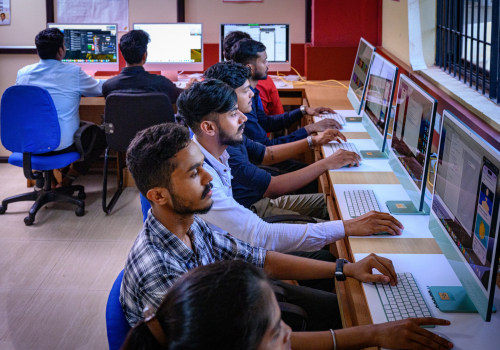
In today’s fast-paced digital world, the ability to type quickly and accurately is more important than ever. Whether you’re a student, a professional, or someone who enjoys communicating online, mastering your typing speed can significantly enhance your productivity and efficiency. In today’s fast-paced digital world, the ability to type quickly and accurately is more important than ever. Whether you’re a student, a professional, or someone who enjoys communicating online, mastering your typing speed can significantly enhance your productivity and efficiency. How to measure typing speedHow to measure typing speed is a crucial aspect of this journey, as it allows you to track your progress and set achievable goals. Imagine being able to express your thoughts in real-time without the frustration of lagging fingers or constant backspacing. This article, titled Mastering Your Typing Speed: A Path to Efficiency, will guide you through the essential steps to assess and improve your typing capabilities.
You’ll discover various methods to measure your typing speed accurately, learn about the tools available for testing, and explore effective techniques that can help you become a faster and more efficient typist. Whether you are preparing for a typing test, looking to enhance your skills for professional advancement, or simply want to impress your friends with your lightning-fast typing, understanding how to track your progress is key. So, let’s dive into the world of typing speed measurement and unlock the potential that lies within your fingertips!Typing speed refers to the rate at which a person can input text using a keyboard, typically measured in words per minute (WPM). In today’s digital world, where communication is often conducted through written forms, having a high typing speed is essential. It not only enhances productivity but also contributes to the overall efficiency of personal and professional tasks.
Whether you are drafting emails, coding, or simply chatting with friends, being able to type quickly and accurately saves time and helps maintain focus. To effectively measure your typing speed, several methods are available. One of the most convenient ways is through online tests. These tests typically require you to type out passages within a set time limit, after which you receive immediate feedback on your performance. There are numerous websites dedicated to typing tests, providing users with various passages and challenges that cater to different skill levels.
Another option is software applications designed specifically for tracking typing speed. These programs often include a variety of exercises and can be used offline, making them ideal for practice on the go. Lastly, manual techniques like timed typing exercises from books or printed materials can also serve as effective ways to assess your speed. While speed is crucial, it’s important to note that accuracy plays a significant role in overall typing proficiency. Typing fast but making frequent errors can lead to wasted time spent correcting mistakes.
Therefore, it is essential to strive for a balance between speed and accuracy. Many typing tests provide metrics on both aspects, allowing users to see how their speed may be affected by errors. Ideally, one should aim for a speed that includes a high degree of accuracy—typically above 95%—to ensure effective communication. Among the popular online typing speed tests are websites like 10fastfingers.com, typing.com, and keybr.com. Each offers unique features: 10fastfingers allows users to compete against others in real-time; typing.com includes lessons and games aimed at improving both speed and accuracy; and keybr.com uses an algorithm to generate personalized texts based on the user's weaknesses. Therefore, it is essential to strive for a balance between speed and accuracy. Many typing tests provide metrics on both aspects, allowing users to see how their speed may be affected by errors. Ideally, one should aim for a speed that includes a high degree of accuracy—typically above 95%—to ensure effective communication. Among the popular online typing speed tests are websites like 10fastfingers.com, typing.com, and keybr.com. Each offers unique features: 10fastfingers allows users to compete against others in real-time; typing.com includes lessons and games aimed at improving both speed and accuracy; and keybr.com uses an algorithm to generate personalized texts based on the user's weaknesses.
When comparing these platforms, consider usability and effectiveness—do they provide a clear interface? Are the results easy to understand? Such factors can greatly influence your learning experience. For those looking to improve their typing skills, practicing with tailored exercises is essential. Beginners might start with simple sentences that focus on familiar keys, gradually moving on to more complex paragraphs as they gain confidence. Intermediate typists can benefit from drills that emphasize less frequently used letters or introduce more advanced vocabulary. Advanced users might challenge themselves with timed tests that push them towards higher WPM goals while maintaining accuracy. To make learning enjoyable, incorporating fun typing games can enhance the experience significantly.
Games like TypingClub and Nitrotype turn practice into a competitive sport, allowing users to race against friends or improve their scores through engaging gameplay. These games often include levels that adapt to the user’s skill level, ensuring that everyone finds the right challenge. However, improving typing speed can come with its challenges. Users may face difficulties such as finger fatigue or frustration with slow progress. To combat these issues, it’s important to take regular breaks during practice sessions to avoid strain.
Setting realistic goals can help maintain motivation; for instance, aim to increase your WPM by just 5-10 points over a few weeks rather than setting an ambitious target that could lead to disappointment. Additionally, utilizing metrics from typing tests can help users monitor their improvement over time, providing tangible evidence of progress. Tracking progress is vital in any skill development journey, including improving your typing speed. By consistently recording your results from various tests and noting areas for improvement, you create a roadmap that guides your practice sessions. This approach not only helps in recognizing trends in your performance but also reinforces the commitment to enhancing your skills. Ultimately, measuring and improving your typing speed is a valuable pursuit that can lead to significant gains in both personal productivity and professional effectiveness.
With the right tools, consistent practice, and a positive mindset towards gradual improvement, anyone can become a proficient typist capable of navigating today’s fast-paced digital landscape.
Understanding Typing Speed
Typing speed refers to the rate at which a person can type text, typically measured in words per minute (WPM). This metric assesses how quickly an individual can input information using a keyboard, which is crucial in both personal and professional settings. For example, a higher typing speed allows for faster completion of tasks such as writing emails, creating documents, or coding, ultimately leading to improved productivity. To measure typing speed, individuals can engage in typing tests that count the number of correctly typed words over a set period, usually one minute. The calculation involves counting the total number of words typed and adjusting for any mistakes made during the test.This not only provides a clear numerical value for a person's typing ability but also serves as a benchmark for tracking improvement. While speed is important, accuracy plays an equally critical role in effective typing. Typing quickly without accuracy can lead to errors that require additional time for corrections, negating the benefits of high speed. Striking the right balance between speed and accuracy is essential for optimal performance. Therefore, aspiring typists should focus on enhancing their accuracy alongside their speed to ensure that they can produce quality work efficiently.
Engaging Games for Learning
Incorporating fun into your typing practice can significantly enhance your learning experience.Typing games are an excellent way to improve your skills while enjoying the process. These games often transform mundane drills into exciting challenges, making it easier to stay motivated and engaged. One popular option is TypingClub, an interactive platform that offers a range of typing lessons and games tailored for various skill levels. Players can track their progress, earn badges, and even compete with friends, adding a social element that encourages continuous improvement. Another engaging game is TypeRacer, where you can race against others by typing passages from books, movies, and songs. This competitive aspect not only makes learning fun but also pushes you to type faster and more accurately under pressure. If you prefer solo play, Ninja Typing is a great choice.
In this game, you protect your dojo from invading ninjas by typing words that appear on the screen. As you improve, the game increases in difficulty, ensuring that you are constantly challenged and engaged. For those looking to integrate typing practice with storytelling, Typing Adventure offers a unique blend of narrative and gameplay. Players embark on quests that require them to type words correctly to progress through the story, making the experience immersive and enjoyable. These typing games not only help in honing your skills but also provide a refreshing break from traditional typing exercises. By making practice enjoyable, you are more likely to stick with it and see significant improvements in your typing speed over time.
Online Typing Speed Tests
In the quest to improve your typing speed, utilizing online typing speed tests can be an effective and engaging way to measure your current abilities.Various platforms provide unique features that cater to different needs and preferences, making it easier for users to track their progress. One popular platform is Typing.com, which offers a comprehensive typing test along with lessons and games designed to enhance your skills. Users can take timed tests ranging from one minute to five minutes, and the platform provides detailed feedback on accuracy and speed. Another noteworthy option is 10FastFingers. This platform is known for its competitive edge, allowing users to participate in typing races against others. It features a simple interface where users can choose from multiple languages and even create custom tests.
This aspect makes it not only a tool for practice but also a fun way to engage with friends or colleagues.
Keybr.com
stands out for its focus on teaching touch typing through randomized text generation, which helps users improve their typing skills by challenging them with new words they may not frequently encounter. The site tracks progress over time, providing a solid overview of improvements. Lastly, TypingTest.com offers a straightforward testing experience with various text options, including classic literature and modern articles. Users can select their preferred length of the test and receive instant results, which include speed, accuracy, and errors made. By exploring these online typing speed tests, you can find the platform that best suits your style and goals, making the journey toward mastering your typing speed both enjoyable and efficient.Practice Exercises for Improvement
To enhance your typing speed and accuracy, consistent practice is key. Here are some effective exercises you can incorporate into your routine:1.Typing Drills: Engage in specific drills that focus on different letters or combinations.Start with the home row keys and gradually move to less frequently used letters. Websites like Typing.com or Keybr.com offer structured drills tailored to your current skill level.
2.Copy Text:
Take a short paragraph from a book or an article and type it out. Focus on maintaining a steady pace without looking at the keyboard. This exercise helps improve both speed and familiarity with the keyboard layout.3.Online Typing Tests:3.Online Typing Tests: Participate in online typing tests available at sites like 10FastFingers or TypingTest.com.These platforms provide a competitive edge, allowing you to track your progress over time while challenging yourself against others.
4.Use Typing Games:
Make practice enjoyable by utilizing typing games. Games such as TypeRacer and Nitrotype turn typing into a fun competition, which can motivate you to practice more frequently.5.Practice with Different Fonts:
Familiarize yourself with various fonts and text styles. Changing the appearance of the text can help you become more adaptable and improve your overall typing skills.6.Set Goals:
Establish specific goals for both speed and accuracy. Aim to increase your words per minute (WPM) gradually while maintaining a high level of accuracy.Tracking your progress helps you stay motivated. By integrating these exercises into your daily routine, you'll find that over time, both your speed and accuracy will improve significantly, leading to greater efficiency in your personal and professional tasks.
Tracking Progress
Tracking your typing speed progress is essential for continuous improvement and achieving your goals. By regularly measuring your speed and accuracy, you can identify areas that need focus and development. One effective method to track your typing speed is through typing tests, which provide a clear benchmark of your current abilities. Many online platforms offer free tests that can help you measure your words per minute (WPM) and accuracy percentage. Another useful approach is to maintain a typing journal, where you record your results after each test.This not only helps in keeping a historical record of your performance but also allows you to visually see your improvements over time. You can create a simple table with dates, WPM scores, and accuracy rates to provide a clear overview of your progress. Setting achievable goals is equally important in your journey to master typing speed. Instead of aiming for a drastic increase in WPM overnight, set small, manageable targets. For example, if you currently type at 40 WPM, aim to increase your speed by just 5 WPM over the next month.
This not only makes the goal more attainable but also keeps you motivated as you reach each milestone. Additionally, consider using typing software or apps that track your progress over time. Many of these tools offer detailed analytics, including average speed over weeks or months, which can give you insights into your learning patterns and help you adjust your practice routines accordingly. In conclusion, tracking progress is a fundamental aspect of improving typing speed. By employing methods like typing tests, maintaining a journal, and setting achievable goals, you will create a structured path towards becoming a more efficient typist. Remember that consistency and dedication are key components in this journey. In conclusion, mastering your typing speed is an essential skill that can significantly enhance your productivity in both personal and professional settings.
Throughout this article, we have explored the importance of typing speed in today’s digital landscape, the benefits of measuring typing speed, and the various tools and resources available to help you improve. Regular practice, whether through online typing tests or engaging games, plays a crucial role in developing this skill. By setting personal goals for improvement and consistently testing your abilities, you can track your progress and achieve greater efficiency in your daily tasks. We encourage you to take the first step today by testing your typing speed and discovering areas for growth. Remember, every small improvement contributes to your overall effectiveness, so start your journey towards becoming a more proficient typist now!.